 January 14, 2026 By ltepfer
January 14, 2026
Michael Matthews, Director of Veterans’ Programs
Reintegrating military Veterans into civilian society remains one of the most complex and misunderstood challenges faced by communities today. About 250,000 service members transition out of active duty each year. Although the majority of them make a successful adjustment to civilian life, many struggle with social, emotional, and structural barriers that make civilian life difficult to navigate. Transitioning Veterans are at higher risk for suicide compared with both the broader Veteran population and the United States public, yet they often do not receive adequate support. At the same time, a widening disconnect between the military and the broader civilian population has made it harder for Veterans to feel seen, supported, and understood.
The video at the center of this discussion brings together a diverse group of voices—Veterans, public educators, researchers, and community leaders—each offering a unique perspective on the realities of military service and the obstacles Veterans face once they return home. Their combined insights shed light on the urgent need to strengthen communication, improve public awareness, and create more effective pathways for support.
The conversation begins with a Veteran who underscores the importance of speaking openly about personal experiences, even when doing so feels uncomfortable. His message sets the tone for the rest of the video: honest dialogue is essential if meaningful change is to occur.
From there, contributors like Michael and Candace highlight the widening cultural gap between civilians and service members, emphasizing how misinformation and limited public understanding have contributed to this divide. Their reflections point to the importance of education in rebuilding connections and fostering empathy.
The video also features clinical experts from the Department of Veterans Affairs, including Emily Edwards who is a VA clinical scientist, who offer a professional lens on the psychological and social challenges Veterans face in their journey back to civilian life. Their experience working with individuals coping with trauma, identity shifts, and reintegration difficulties provides a deeper understanding of the systemic gaps that persist.
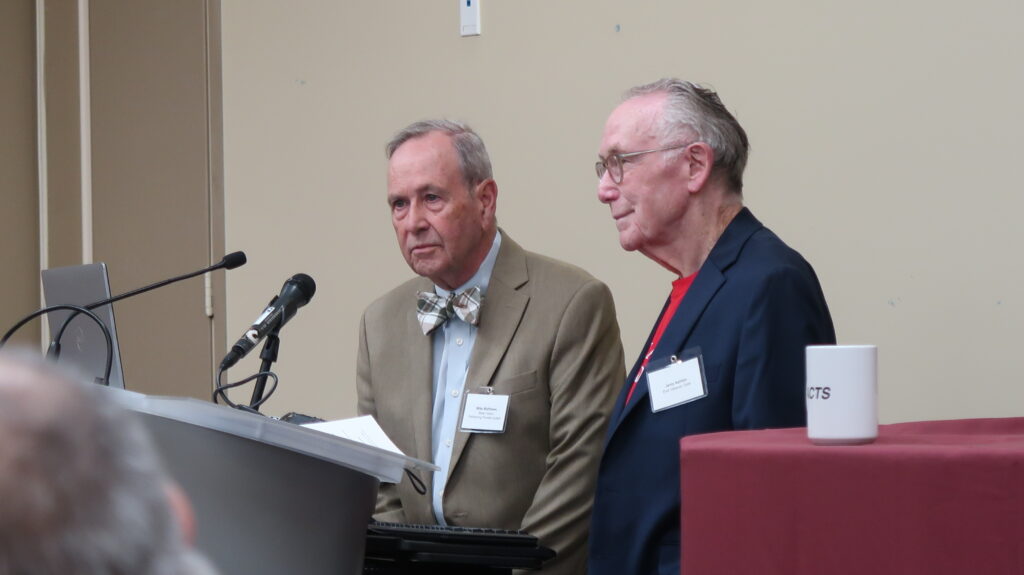
The discussion concludes with James Hendon, who introduces a sobering yet motivating insight: despite the nation’s best efforts, current support systems effectively reach only about one-third of Veterans. His call to “think to yourself” prompts viewers to recognize the work still left to be done and reinforces the need for clearer communication, stronger programs, and a collective responsibility to do better.
Altogether, this video presents an urgent and humanizing exploration of the Veteran experience—one that challenges viewers to rethink assumptions, engage in open dialogue, and take part in the effort to build a more supportive and connected society.
Category: Uncategorized
Initiative: ,
Sub-Topic: ,